Setting Up an At-Home Practice Space for Judo

Creating a Safe, Functional Training Area

Many students want more mat time outside the dojo but do not always know how to create a safe and effective training space at home. A good at-home setup does not have to be fancy or expensive. It simply needs to be safe, consistent, and supportive of your practice goals. Whether you are drilling footwork, practicing breakfalls, or working on mobility and conditioning, the environment you train in plays a huge role in reducing injury risk and building confidence.

This guide breaks down the essentials for creating a solid judo practice space at home. The goal is to help you understand what matters, what is optional, and how to build something that fits your home, your budget, and your training schedule.

Choosing a Location in Your Home

Start with the simplest question. Where will you train? Most people use a garage, basement, spare room, or a section of their living room. The key is choosing a spot with:

  • Enough room to take controlled falls
  • Enough head clearance for stretching and footwork drills
  • A solid, even floor
  • Good lighting
  • Adequate ventilation

For example, a garage is ideal for many people because it has a wide open floor plan and easier cleanup. A spare bedroom can work if space is limited, but you may need to adjust your expectations and stick to drills rather than full movements. The right space depends on your goals. More room equals more options.

Selecting Mats That Fit Your Training Style

Mats are the heart of any judo practice space. You do not need the same surface as a full-sized dojo, but you do need something that can handle breakfalls without punishing your joints.

There are three common choices:

Puzzle mats.
These are easy to set up and store and are great for footwork, stretching, and light practice. They are not ideal for repeated breakfalls.

Folding crash mats.
These provide real impact absorption and are much safer for practicing falls. They can be folded up and placed in a closet or against the wall when not in use.

Tatami-style mats.
These feel closest to what you use in class. They are more expensive and require more space, but they are excellent for consistent practice.

No matter what you choose, make sure the mats lock together securely and do not slide around. Training on unstable mats is one of the most common causes of at-home injuries.

Wall and Floor Safety

Many students forget about walls and corners when they imagine training at home. It is important to pad or protect the areas around your mats so a misstep does not send you into a sharp corner or piece of furniture.

You can use foam wall panels, gym-grade matting, or even thick furniture pads mounted with adhesive strips. The idea is to eliminate hard, sharp, or uneven surfaces near your training zone. If you use a garage or basement, make sure the floor underneath your mats does not have cracks or large slopes.

Lighting and Visibility

Good lighting makes a bigger difference than most people expect. Overhead lighting that casts heavy shadows can make it harder to judge distance or see where your feet are landing. If possible, use bright but diffused lighting.

LED panel lights or daylight bulbs work well. If your training space is a garage, consider installing a dedicated light fixture rather than relying on a single overhead bulb. Secure all cords and fixtures so nothing becomes a hazard.

Ventilation and Temperature Control

If you train at home, you will sweat. Good airflow keeps you comfortable and prevents your space from smelling like a gym bag after a few uses.

For garages, a simple box fan and an open door may be enough. Basements can benefit from a dehumidifier. Spare rooms in your house often have HVAC access, which makes things easy. The goal is to keep the space cool enough that your body does not overheat and dry enough that mats do not get slippery.

Storage for Gear and Equipment

Even if you only have a few pieces of gear, good storage keeps your space clean and prevents tripping hazards. Consider adding:

  • A small shelf for belts, tape, and stretching tools
  • Hooks for jackets or resistance bands
  • A bin for cleaning supplies
  • A dedicated place to store mats when not in use

The more organized your space is, the easier it becomes to make training a regular part of your routine.

Training Only Within Your Skill Level

It might be tempting to try new throws or more aggressive breakfalls at home, but your at-home space is better suited for controlled practice. Use the time to build precision, speed, footwork, balance, and fundamental movements. Save more advanced throws and high-impact practice for the dojo, where mats and supervision are in place.

If you have training partners at home, communicate clearly about goals and limits. A safe training session starts with awareness.

Maintaining Your Training Space

Finally, treat your home practice area the same way you treat the dojo. Keep it clean. Sweep or vacuum before training. Wipe down mats. Check for loose corners or shifting sections. Inspect the lighting and make sure storage areas remain tidy.

Consistent maintenance prevents problems from becoming injuries.
Roof Leak Fixed!

The Hyland Hills Judo Club is thrilled to announce that the long-awaited roof repairs are finally complete. For months, the dojo had been plagued by leaks that made rainy days an unwelcome challenge. Water dripped through the ceiling, pooling on the mats and creating safety concerns that disrupted training sessions. Thanks to a reliable roofing contractor, the club can now enjoy a dry and secure environment, ready to focus fully on providing the best Judo experience in the area. This repair represents a fresh start for the club and all its members.

Roof repair services are a necessity for long-term building care, and the Hyland Hills Judo Club has experienced firsthand why keeping up with maintenance is so important. The leaky roof wasn’t just inconvenient; it created genuine hazards. Training requires concentration and precision, and slippery spots on the mat due to leaks compromised both. For our students, ranging from beginners to experienced Judokas, the leaks meant constant vigilance, a focus that could have been better spent perfecting throws, locks, and techniques.

The decision to address the roof’s condition was more than just practical—it was about recommitting to the safety, comfort, and overall quality of the space we provide to our members. As anyone involved in Temple TX roofing knows, a reliable roof is the backbone of any building, ensuring that everything inside is protected from the elements. The Hyland Hills Judo Club isn’t just a building; it’s the heart of our martial arts community. Every class, competition, and moment of camaraderie takes place within these walls, so ensuring their durability is vital.

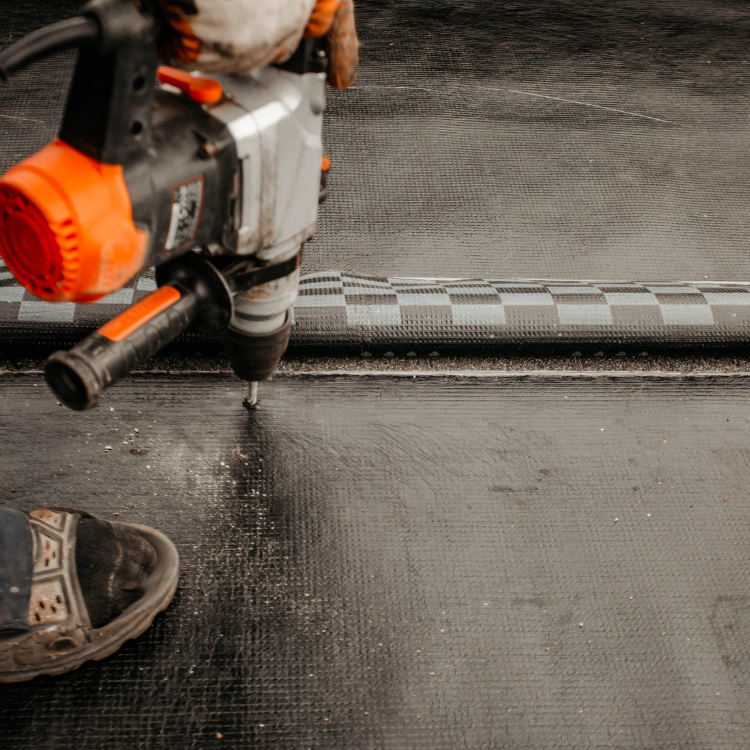
The repair itself involved addressing multiple weak points in the roof that had developed over time. A combination of wear and tear, heavy rain, and exposure to changing temperatures had taken its toll, leading to leaks that only grew worse with each storm. Professional roofers assessed the damage, identified the problem areas, and implemented solutions designed to last. Now, no matter how intense the weather gets, the Hyland Hills Judo Club remains protected.

With the roof now solid and secure, the dojo has been revitalized. Classes can proceed uninterrupted, even during downpours, and members can focus entirely on their training. The atmosphere inside the dojo has improved, too, with students no longer distracted by dripping water or worried about slippery spots. This transformation is already boosting the energy and enthusiasm of everyone who steps onto the mats. The dojo feels like a true sanctuary again—a place where the only challenge comes from mastering techniques, not dodging puddles.

This repair is also a reminder of the resilience and support of the Hyland Hills Judo Club community. Throughout the months of leaks and inconvenience, our students, instructors, and families remained patient and understanding. Their dedication to training, even under challenging conditions, embodies the very spirit of Judo: perseverance, adaptability, and the ability to rise above obstacles. This unity and determination made it possible to push through the difficult times and emerge stronger.

As we celebrate the repaired roof, we also look forward to welcoming new and returning members to the dojo. Whether you’re just beginning your Judo journey or you’re an experienced martial artist, you’ll find a space that’s fully prepared to support your growth. The Hyland Hills Judo Club is once again the dependable, vibrant training ground our community deserves.

Practical Techniques for Real-World Situations

In the world of martial arts, practical self-defense skills are highly valued, and Judo offers effective, real-world techniques that can boost confidence and personal safety. Known as “the gentle way,” Judo emphasizes leverage, timing, and controlled use of an opponent’s force, making it a valuable martial art for self-defense, regardless of size or strength. Judo’s focus on throws, joint locks, pins, and balance disruption translates well to real-life scenarios, empowering practitioners to handle challenging situations with skill and control.

One of Judo’s most practical techniques for self-defense is learning how to break falls, or “ukemi.” In Judo, practitioners learn how to absorb the impact of a fall, distribute force across the body, and rise quickly. Ukemi isn’t just for the dojo; knowing how to fall safely can reduce the risk of injury in everyday accidents, like tripping or slipping. For those interested in self-defense, mastering ukemi is foundational, providing confidence that, if thrown or pushed, they can protect themselves from harm. This confidence in falling often translates into an enhanced sense of balance and stability, which is useful in many physical activities and daily movements.

Throws are another powerful aspect of Judo that can be effective in real-life situations. Techniques such as osoto-gari (major outer reap) or ippon seoi nage (one-arm shoulder throw) allow practitioners to unbalance and throw an opponent using leverage rather than strength. These throws can be invaluable in self-defense situations where disengaging from a confrontation is the primary goal. In Judo, throws are designed to end a confrontation quickly by using minimal force while maintaining maximum control. For example, if an attacker grabs your clothing or attempts to hold you in place, a well-executed throw can redirect their force, sending them to the ground while giving you a chance to safely exit the situation.

In addition to throws, Judo includes various joint locks, particularly arm locks, or kansetsu waza. Arm locks are useful in scenarios where control is needed without causing significant injury. For instance, an arm lock can immobilize an aggressor long enough to de-escalate a situation or wait for assistance. Techniques such as ude-hishigi-juji-gatame (cross arm lock) enable practitioners to restrain an attacker effectively. These techniques are designed with control in mind, aiming to minimize harm while ensuring safety. By manipulating an opponent’s joints, Judo practitioners can use leverage to neutralize threats without relying on brute force, making it especially useful for individuals of all sizes.

Judo also trains practitioners to develop spatial awareness and balance, which are vital skills in real-world self-defense. By learning to sense changes in weight distribution and pressure, practitioners can anticipate moves and respond before an opponent gains control. This heightened awareness allows Judokas to detect shifts in an aggressor’s movements, improving their ability to evade or counter attacks effectively. Balance disruption is a core principle in Judo, where every technique aims to unbalance the opponent. In self-defense, this means that even a simple shift in weight can neutralize a threat, enabling the practitioner to redirect an attacker’s force rather than resisting it.

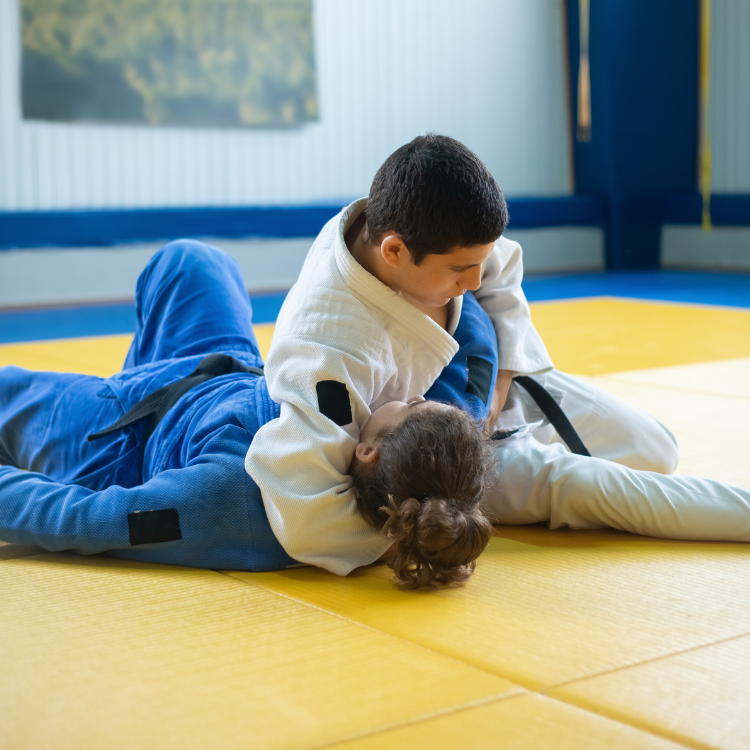
Pins, or osaekomi waza, also have practical applications outside the dojo. Pins allow a practitioner to control an opponent by holding them in a fixed position. Techniques such as kesa-gatame (scarf hold) and yoko-shiho-gatame (side four-corner hold) are designed to maintain control without causing harm, which is beneficial in situations where restraint, rather than escalation, is necessary. For example, if a Judoka encounters an aggressive person, these holds can help keep the individual in place long enough for the situation to be managed safely.

What makes Judo particularly suited to real-world situations is its focus on timing, control, and efficiency. Rather than relying on brute force, Judo teaches practitioners to read an opponent’s intentions and respond with precision and timing. This mindset promotes a calm, strategic approach to potentially dangerous situations, making it effective for self-defense. Training in Judo fosters self-discipline and respect, which encourages practitioners to prioritize de-escalation and safety whenever possible.

In summary, Judo’s practical techniques for self-defense focus on control, leverage, and timing, providing a non-aggressive way to handle confrontations. By learning breakfalls, throws, joint locks, and pins, practitioners gain skills that are valuable for real-world scenarios, helping them protect themselves while minimizing harm to others. This focus on controlled responses and awareness is what makes Judo an empowering martial art, equipping people of all backgrounds with the tools to navigate both physical and mental challenges confidently.

What to Expect on Your First Day of Judo

Preparing for your first Judo class is an exciting step towards learning a martial art that builds physical and mental strength. Known for its emphasis on throws, grappling techniques, and respect, Judo is a disciplined and dynamic practice that welcomes people of all ages and fitness levels. Whether you’re joining to improve fitness, learn self-defense, or gain mental resilience, a bit of preparation can help you feel ready and confident stepping onto the mat.

One of the first things to know before starting Judo is what to wear. While experienced practitioners wear a traditional Judo uniform called a “gi,” you don’t need one for your first class. Instead, opt for comfortable workout clothes like a T-shirt and athletic pants that allow a full range of motion. Avoid clothes with zippers or metal buttons to prevent injuries, and keep in mind that you’ll be barefoot on the mat. Once you decide to continue training, investing in a proper Judo gi is a great step. The gi is designed to withstand the grabs and throws integral to Judo and will enhance your practice as you progress.

Another key aspect of preparing for Judo is understanding basic hygiene and safety practices. Judo involves close physical contact, so it’s essential to maintain good hygiene out of respect for your classmates and instructors. Trim your nails to avoid scratching others, and remove any jewelry to prevent injuries. Additionally, tying back long hair and making sure you’re free of strong scents is appreciated by fellow students. Many dojos, or Judo training centers, also have etiquette rules, such as bowing when entering and leaving the mat area, so take note of these customs as they contribute to a respectful and focused environment.

Familiarizing yourself with some basic Judo terms and concepts can also be beneficial before your first class. Instructors often use Japanese terminology for moves, such as “ukemi” for breakfalls and “nage-waza” for throwing techniques. While you’ll learn these terms over time, understanding a few basics can help you feel more at ease. Judo places significant importance on mutual respect and humility, so come prepared to listen attentively to instructors, be open to constructive feedback, and remember that progress in Judo comes gradually. Being patient with yourself is key; Judo is as much about personal growth as it is about physical skill.

Your first Judo class will likely start with warm-up exercises, including stretches, joint rotations, and conditioning drills to prepare your body for practice. You’ll also learn essential movements, like breakfalls, which teach you how to land safely and protect yourself during throws. Instructors will typically demonstrate techniques slowly, giving you time to understand and practice them with a partner. Don’t worry if moves feel challenging at first; mastering Judo takes time, and each class is an opportunity to improve and grow. Instructors and fellow students will guide and support you as you gain confidence and skill.

Finally, remember that Judo is a supportive community that encourages learning and respect. It’s natural to feel nervous on your first day, but the dojo is a place where everyone understands the challenges of starting out. Your classmates and instructors will be there to help you get comfortable and learn at your own pace. Embrace the experience, ask questions, and enjoy the process of learning something new. Each session will build your abilities, resilience, and confidence, all while connecting you to a tradition rooted in discipline and mutual respect.

Your first Judo class is the start of an exciting journey that combines physical training, mental focus, and personal growth. Preparing with the right attire, an open mind, and a basic understanding of Judo’s etiquette and techniques will help you feel ready to take on the challenge. Over time, you’ll discover the many benefits that Judo offers, from enhanced fitness to increased confidence, making each step of the journey worthwhile.

Why Adults Should Start Judo

For many adults, Judo offers a refreshing combination of fitness, mental discipline, and stress relief. While some may think of Judo as a sport primarily suited for young competitors, it actually provides benefits that resonate deeply with adults at any stage of life. Beyond the immediate physical benefits, Judo also strengthens focus, builds resilience, and fosters a sense of community, making it an ideal activity for those looking to challenge themselves, develop new skills, and find balance in their busy lives.

One of the foremost reasons adults should consider Judo is its approach to fitness and health. Unlike repetitive gym routines or running, Judo training engages the whole body, combining elements of strength, flexibility, and cardiovascular fitness. Judo practice involves controlled techniques, throws, and falls that activate core muscles and enhance balance and coordination. This functional strength is highly beneficial for adults, as it translates into better mobility and stability in everyday activities, reducing the risk of injury from falls or other physical strains. Judo’s low-impact yet intense approach makes it adaptable for adults of varying fitness levels, allowing each person to work within their abilities and progress at their own pace.

Another reason adults find Judo compelling is its emphasis on mental focus and discipline. As much a mental exercise as a physical one, Judo encourages practitioners to stay present, aware, and responsive to each moment on the mat. Techniques require concentration and an understanding of body mechanics, which challenges practitioners to engage their minds fully. For adults who face the demands of work, family, and everyday stresses, Judo offers a welcome opportunity to step away from daily concerns and enter a state of flow. This focus not only sharpens cognitive abilities but also serves as a form of mental relaxation, helping to relieve stress and improve emotional well-being. Many adults find that practicing Judo brings a heightened sense of calm and clarity, which positively impacts other areas of life, from professional pursuits to personal relationships.

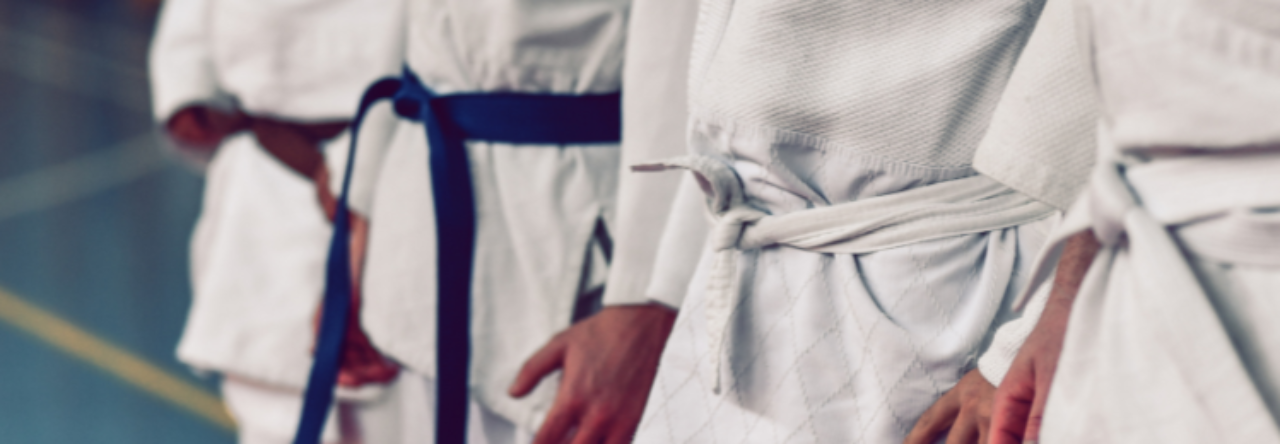
Judo also cultivates resilience and persistence, two traits that adults often seek to strengthen. Unlike many fitness routines, Judo’s progression relies on dedication and consistent practice rather than quick results. The belt system in Judo represents different levels of mastery and provides a clear pathway for personal growth, challenging adults to set long-term goals and work steadily towards them. This commitment to gradual progress teaches practitioners that true accomplishment comes from hard work and perseverance. Judo’s environment allows adults to take on challenges at their own pace, develop grit, and learn to embrace the process of improvement. Whether a beginner or an advanced student, every practitioner finds that this sense of discipline builds resilience that can be carried into all areas of life, helping them to face challenges and overcome obstacles with a grounded, determined approach.

One of Judo’s unique benefits for adults is its focus on practical self-defense skills. Judo techniques emphasize throws, pins, and joint locks, all of which are effective self-defense strategies when used correctly. Practicing Judo teaches adults how to stay calm in stressful situations, use leverage rather than brute strength, and defend themselves if necessary. This focus on practical self-defense is empowering for adults, building both confidence and a sense of security. By learning techniques that don’t rely on physical power alone, adults of all sizes and strengths can feel equipped and prepared, developing a greater sense of control over their surroundings. This empowerment can improve self-assurance and add a layer of comfort in day-to-day life, from confidently navigating crowded spaces to feeling assured in unfamiliar environments.

Another valuable aspect of Judo for adults is the sense of camaraderie and community it fosters. Judo dojos provide a supportive environment where practitioners work together to improve and learn from one another. Training often involves paired exercises, where partners help each other develop techniques and work on mutual improvement. This shared experience creates a sense of teamwork and mutual respect, with each person contributing to their partner’s growth. For adults who may not have regular social outlets or may find it challenging to meet new people, Judo offers a welcoming community where members encourage each other, celebrate achievements, and grow together. Many practitioners form lasting friendships through Judo, finding a sense of belonging and connection that enriches their lives beyond the physical aspects of training.

Finally, Judo presents an ongoing challenge, which many adults find refreshing and rewarding. Unlike sports that may lose appeal over time, Judo offers endless room for advancement, with techniques and strategies that become more nuanced as practitioners progress. For adults who enjoy pushing themselves and exploring new facets of physical and mental growth, Judo provides a lifetime of learning. The discipline, strategy, and depth of Judo keep it exciting, ensuring that each session brings new insights and skills to explore.

For adults seeking a comprehensive approach to physical and mental well-being, Judo provides an enriching and multi-faceted experience. From enhancing physical fitness to building mental resilience, fostering community, and teaching practical self-defense, Judo helps adults achieve a balanced, fulfilling lifestyle. Joining a Judo dojo can open up a world of benefits and challenges that bring lasting rewards and personal growth. Through the art of Judo, adults find not only a path to physical health but also a way to cultivate confidence, discipline, and inner strength.

The Benefits of Judo for Kids

Judo offers a unique combination of physical and mental benefits for children, setting it apart from other sports and recreational activities. Developed as a form of martial arts that values self-discipline and respect for others, Judo promotes growth on multiple levels, from building physical strength to fostering self-confidence. For parents seeking a well-rounded activity for their kids, Judo provides an excellent pathway toward personal development and resilience.

One of the primary benefits of Judo for kids is the way it enhances physical health. Judo training involves controlled movements, balance, and coordination, which improve overall fitness in young practitioners. Through regular practice, children build core strength, flexibility, and agility. The exercises they perform strengthen not only muscles but also cardiovascular endurance, which is essential for maintaining good health. Unlike sports that might emphasize high-impact or repetitive motions, Judo’s techniques are controlled and balanced, focusing on precise movements that protect the body. This structured approach to physical training makes Judo accessible to children of various body types and fitness levels, providing them with a safe and productive outlet for their energy.

Beyond physical fitness, Judo offers mental and emotional benefits that can positively impact a child’s self-image and behavior. Judo emphasizes self-control, discipline, and patience, guiding children to develop a positive and focused mindset. Because Judo is as much about mental strength as it is about physical power, it challenges students to focus, think strategically, and remain calm under pressure. These qualities are highly beneficial for children who face stress or anxiety in their daily lives, as Judo encourages them to find inner calm and remain composed. For many children, this translates into greater confidence and resilience outside of the dojo, whether they’re interacting with peers, handling school challenges, or setting goals for themselves.

One of Judo’s core teachings is respect for others, which naturally builds a strong sense of character. In Judo, students learn to treat their instructors, peers, and opponents with respect and humility, recognizing that martial arts is not about aggression or overpowering others but about mastering oneself. The practice of bowing before and after a match, acknowledging an opponent’s effort, and listening attentively to instructors are all integral parts of the Judo experience. These practices help children internalize respect and empathy, encouraging them to carry these values into their relationships outside of the dojo. When children understand the importance of respect, they tend to form healthier friendships, communicate better, and resolve conflicts in constructive ways.

Judo is also a sport where children learn the value of perseverance. Progress in Judo is gradual, and mastery of techniques can take time and patience. The belt system in Judo provides visible markers of a child’s growth and accomplishments, motivating them to continue learning and challenging themselves. This gradual process teaches children that improvement takes effort, consistency, and a positive attitude, reinforcing the idea that success is a result of hard work rather than instant gratification. Over time, they develop resilience, learning to embrace challenges and persist even when tasks seem difficult. This mindset is invaluable not only in sports but also in academic and social settings, helping children grow into individuals who are unafraid of working through obstacles to achieve their goals.

Another remarkable aspect of Judo is the sense of community it fosters among students. Judo dojos create a supportive environment where students are encouraged to help each other grow and succeed. By practicing with peers of various skill levels, children learn cooperation, teamwork, and the importance of helping others achieve their best. The dojo community often becomes a safe space where children can feel accepted and supported, boosting their social skills and emotional well-being. This sense of belonging is especially important for children who may feel shy or insecure, as it gives them a chance to develop friendships and confidence in a positive, inclusive setting.

The benefits of Judo for kids extend far beyond the mat, touching every aspect of a child’s life. From physical health and mental resilience to respect and perseverance, Judo offers a pathway for children to grow into well-rounded individuals. Parents who enroll their children in Judo can feel confident knowing they are providing them with more than just a sport; they’re giving them lifelong skills that will shape their character, relationships, and sense of self for years to come.

Powered by WordPress & Theme by Anders Norén